Difficulty in conceiving can be a challenging experience for couples planning a family. While some couples conceive naturally without difficulty, others may need medical evaluation to understand why pregnancy is taking longer than expected.
Infertility can affect both women and men, and several different factors may contribute to difficulty conceiving. With appropriate evaluation and medical guidance, couples can understand their reproductive health and explore suitable treatment options.
For couples searching for Infertility Specialists in Kolkata, understanding the fertility evaluation process is an important first step.
What Can Cause Infertility?
Infertility can have multiple causes. In women, fertility may be affected by ovulation problems, hormonal conditions, endometriosis, uterine abnormalities, fallopian tube problems, or age-related changes.
Male fertility can also be affected by factors involving sperm production, sperm movement, sperm morphology, hormones, or other reproductive conditions.
Sometimes, fertility difficulties may involve factors in both partners. This is why a complete assessment of both individuals can be important.
Female Fertility Factors
A woman’s ability to conceive depends on several interconnected reproductive processes.
Some conditions that may be evaluated include:
- Irregular ovulation
- Polycystic ovary syndrome
- Endometriosis
- Hormonal imbalance
- Uterine fibroids
- Abnormalities of the uterus
- Fallopian tube blockage
- Previous pelvic surgery
- Age-related reduction in fertility
A diagnosis should always be based on appropriate medical assessment rather than symptoms alone.
Male Fertility Factors
Male reproductive health is equally important when investigating infertility.
A semen analysis can provide information about sperm concentration, movement, and morphology. Depending on the results, a doctor may recommend additional evaluation.
Assessing both partners can help create a more complete fertility profile and may prevent unnecessary delays in identifying possible contributing factors.
What Happens During an Infertility Evaluation?
An infertility consultation generally begins with a detailed medical and reproductive history. The doctor may ask about menstrual cycles, previous pregnancies, surgeries, medical conditions, medications, lifestyle factors, and previous fertility treatments.
Depending on the individual’s circumstances, diagnostic investigations may include:
Blood Tests and Hormonal Evaluation
Hormone testing can help assess reproductive function and identify certain hormonal conditions that may affect ovulation or fertility.
Ultrasound
Ultrasound can help examine the ovaries, uterus, and surrounding reproductive structures.
Hysterosalpingography
A hysterosalpingogram may be recommended in selected cases to evaluate the uterus and fallopian tubes.
Semen Analysis
Semen analysis is commonly used to evaluate male fertility and assess important sperm characteristics.
The fertility information published by Dr. Anshu Agrawal includes medical history, physical examination, hormone testing, ultrasound, hysterosalpingography, and semen analysis as components that may be used during fertility evaluation.
Treatment Depends on the Diagnosis
There is no universal infertility treatment for every couple. Treatment should be selected according to the underlying cause, medical history, age, previous treatment, and reproductive goals.
Possible approaches may include medication, hormonal management, IUI, IVF, ICSI, fertility preservation, and selected surgical procedures.
Ovulation Management
Women with certain ovulation problems may be prescribed medication to regulate or stimulate ovulation. The specific medicine and dosage should be determined by a qualified medical professional.
IUI
Intrauterine insemination, or IUI, involves placing prepared sperm directly into the uterus around the time of ovulation. It may be considered for selected fertility conditions.
IVF
In vitro fertilization (IVF) is an assisted reproductive technology in which eggs and sperm are combined outside the body. An embryo can subsequently be transferred to the uterus.
ICSI
Intracytoplasmic sperm injection (ICSI) is another assisted reproductive technique that involves injecting a sperm directly into an egg. It may be considered in particular fertility situations.
The target fertility page describes ART options including IVF and ICSI and outlines stages such as ovarian stimulation, egg retrieval, fertilization, embryo culture, and embryo transfer.
When Is Fertility Surgery Needed?
Some reproductive conditions may require surgical assessment or treatment.
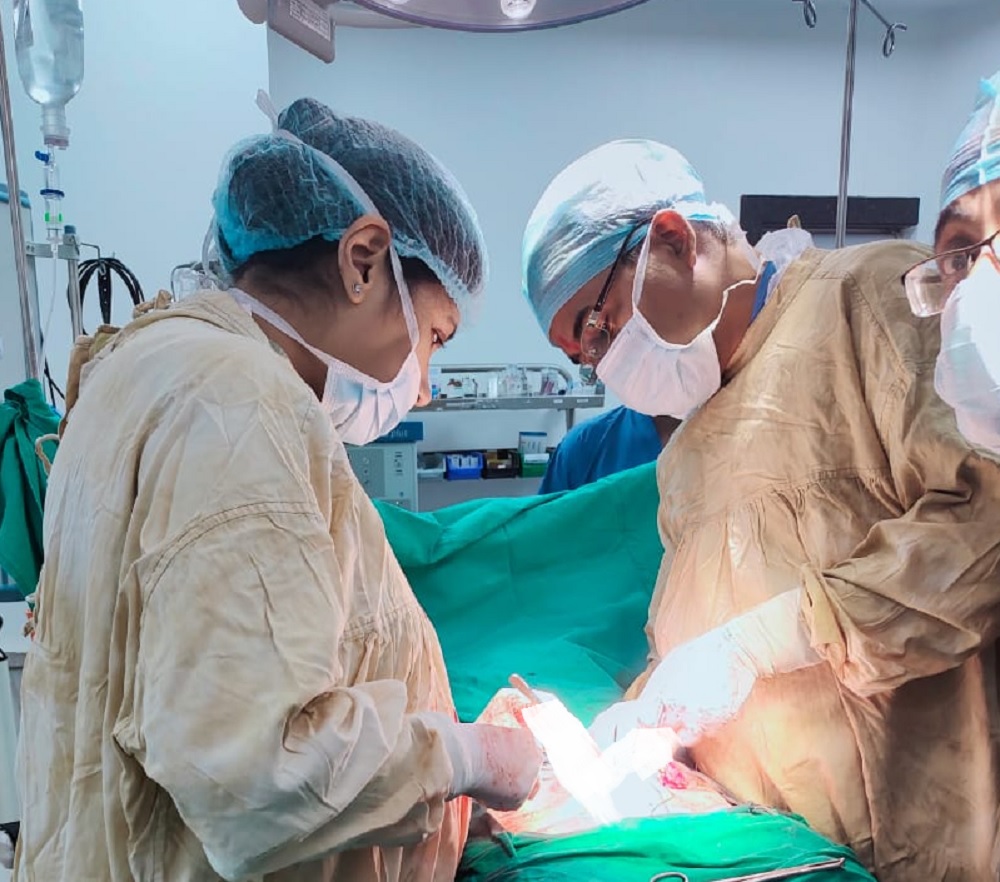
Laparoscopy may be used in selected cases involving endometriosis, while hysteroscopy can help evaluate abnormalities within the uterus. Certain tubal problems may also require microsurgical treatment.
Surgery is not necessary for every person experiencing infertility. A specialist can determine whether a procedure is appropriate after reviewing diagnostic findings.
Fertility Preservation Options
Fertility preservation can be considered by individuals who want to maintain reproductive options for the future.
Depending on personal and medical circumstances, preservation techniques may include:
- Egg freezing
- Sperm freezing
- Embryo cryopreservation
A fertility consultation can help explain whether fertility preservation may be relevant and which options are available.
Choosing Infertility Specialists in Kolkata
Selecting a fertility specialist is an important decision. Couples may consider qualifications, clinical experience, diagnostic facilities, treatment options, communication, and the overall approach to patient care.
For couples researching Infertility Specialists in Kolkata, Dr. Anshu Agrawal’s fertility information covers evaluation and diagnosis, assisted reproductive technologies, fertility preservation, hormone management, surgical interventions, and emotional support.
Infertility Specialists in Kolkata
The Emotional Side of Infertility
Fertility problems can affect emotional well-being as well as physical health. Couples may experience anxiety, stress, disappointment, or uncertainty during diagnosis and treatment.
Open communication between partners and clear discussions with the healthcare team can help couples understand each stage of treatment. Counseling and emotional support can also be useful when needed. The target page specifically includes counseling and emotional support among the aspects of infertility care.
When Should You Consult a Fertility Specialist?
A fertility consultation may be useful when a couple has concerns about conception, irregular menstrual cycles, known reproductive conditions, previous pregnancy losses, or possible male fertility problems.
A consultation does not automatically mean that IVF or another advanced treatment will be necessary. The initial goal is to understand the couple’s reproductive health and determine whether further investigation or treatment is appropriate.
Conclusion
Infertility can affect both women and men and may have several possible causes. A detailed evaluation can help identify potential factors affecting conception and guide couples toward appropriate treatment.
From hormonal management and ovulation treatment to IUI, IVF, fertility preservation, and selected surgical procedures, modern fertility care offers several approaches depending on individual circumstances.
For couples looking for professional fertility guidance in Kolkata, consulting a qualified infertility specialist can be an important step toward understanding reproductive health and making informed family-planning decisions.
 Users Today : 8
 Users Yesterday : 29
 Users Last 30 days : 669
 Users This Year : 6503
 Total Users : 44087
 Views Last 30 days : 1149
 Total views : 102159
 Who's Online : 0