For couples planning a family, pregnancy is often an exciting goal. However, conception may sometimes take longer than anticipated. Fertility can be influenced by many factors, including reproductive health, hormonal balance, ovulation, age, lifestyle, and male fertility.
When conception becomes difficult, a professional fertility evaluation can help identify potential concerns and provide guidance about suitable treatment options. Couples searching for infertility specialists in Kolkata can benefit from consulting a qualified gynecologist experienced in reproductive healthcare.
Why Does Infertility Occur?
Infertility can have several possible causes, and sometimes more than one factor may be involved. In women, fertility difficulties may be associated with irregular ovulation, PCOS, endometriosis, fallopian tube problems, uterine conditions, hormonal disorders, or reduced ovarian reserve.
Male reproductive factors can also contribute to difficulties with conception. Sperm count, motility, and morphology are some of the parameters that may be evaluated.
Because fertility is influenced by both partners, a comprehensive assessment can be useful.
Fertility Evaluation and Diagnosis
A fertility consultation usually starts with a detailed review of medical and reproductive history. The specialist may discuss menstrual cycles, previous pregnancies, medical conditions, medications, lifestyle factors, and previous fertility treatments.
Depending on the individual situation, investigations may include:
- Hormonal blood tests
- Ovulation assessment
- Pelvic ultrasound
- Ovarian reserve testing
- Evaluation of the uterus and fallopian tubes
- Semen analysis
- Additional investigations when clinically appropriate
The goal is to understand the factors that may be affecting conception and create an individualized treatment plan.
Common Female Fertility Concerns
Several reproductive health conditions can influence fertility.
Ovulation Disorders
Regular ovulation is important for natural conception. Hormonal conditions and PCOS can sometimes affect the regularity of ovulation.
Endometriosis
Endometriosis may affect the reproductive system and can be associated with fertility difficulties in some women.
Fallopian Tube Problems
The fallopian tubes play an important role in natural conception. Blockage or damage may interfere with the meeting of egg and sperm.
Uterine Conditions
Fibroids, polyps, and other structural abnormalities may affect fertility in some cases, depending on their location and characteristics.
Male Fertility Assessment
Male fertility should also be considered when a couple experiences difficulty conceiving. A semen analysis can provide information about sperm concentration, movement, and morphology.
If an abnormality is identified, additional evaluation may be recommended. Understanding the fertility status of both partners can help guide treatment decisions.
Treatment Options for Infertility
Infertility treatment varies according to the cause and the patient’s individual circumstances. Depending on the diagnosis, treatment may involve:
- Lifestyle and preconception guidance
- Medication
- Hormonal management
- Ovulation treatment
- Surgical intervention
- IUI
- IVF and other assisted reproductive technologies
The target fertility service page describes approaches including assisted reproductive technologies such as IVF and ICSI, fertility preservation, hormone management, and selected surgical interventions.
Understanding IUI and IVF
IUI (Intrauterine Insemination) involves placing prepared sperm into the uterus around the time of ovulation. It may be suitable for selected fertility situations.
IVF (In Vitro Fertilization) involves fertilization in a laboratory followed by embryo transfer. IVF may be considered in specific circumstances after fertility assessment.
Neither treatment is appropriate for every patient, so the recommended approach should be determined by a qualified fertility professional.
Fertility Preservation
Fertility preservation may be considered by individuals who wish to preserve reproductive potential for future use. Depending on the situation, this may involve egg, sperm, or embryo freezing.
A fertility specialist can explain the available techniques, potential benefits, limitations, and whether preservation is appropriate for an individual’s circumstances.
Hormonal Health and Fertility
Hormonal health is closely connected with reproductive function. Hormonal imbalances may affect menstrual cycles, ovulation, and other aspects of fertility.
When appropriate, a specialist may recommend hormone testing and treatment to address an underlying hormonal or ovulatory concern.
When Is Fertility Surgery Required?
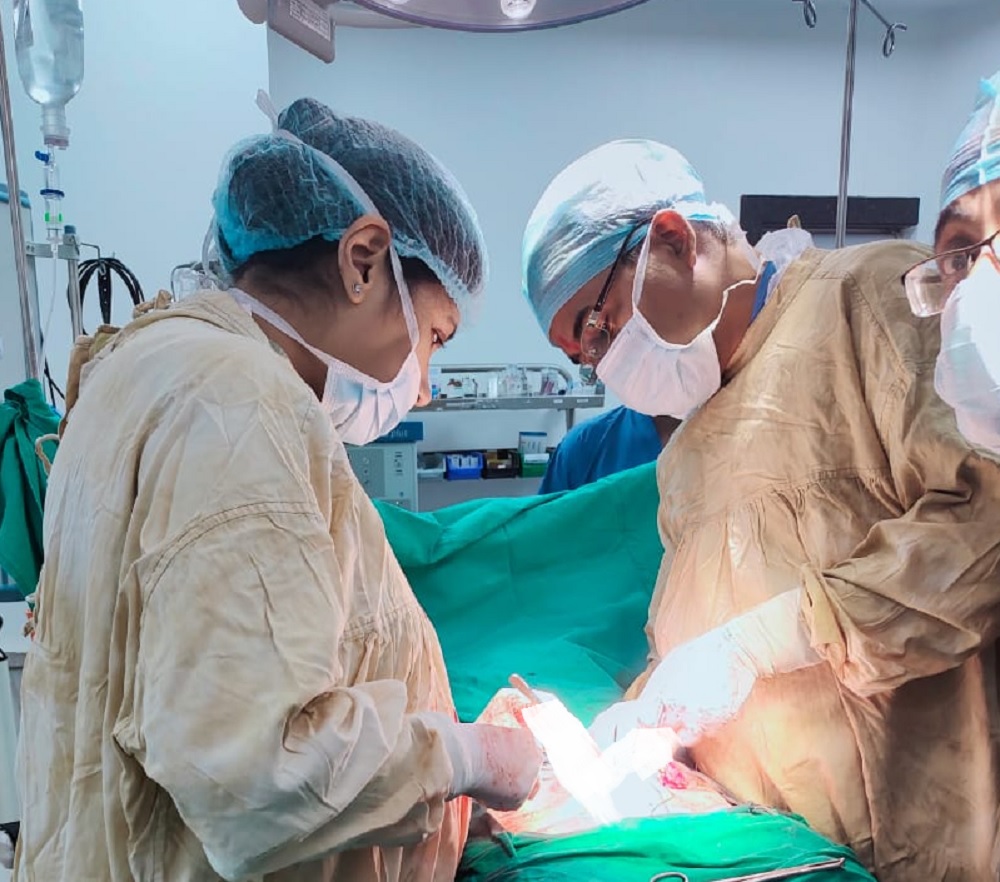
Some fertility-related conditions may benefit from surgical management. Depending on the diagnosis, procedures such as laparoscopy or hysteroscopy may be considered.
Surgery is not required for every fertility problem. A specialist should first evaluate the condition and discuss the potential benefits and risks before recommending any procedure.
Finding the Right Infertility Specialists in Kolkata
Choosing an infertility specialist is an important decision. Patients may consider qualifications, experience, diagnostic methods, treatment options, and the quality of communication during consultations.
If you are searching for Infertility Specialists in Kolkata, you can learn more about Dr. Anshu Agrawal’s fertility-related services, including fertility evaluation and reproductive treatment options.
Emotional Support During the Fertility Journey
Fertility investigations and treatment can sometimes be emotionally demanding. Couples may experience uncertainty or stress while undergoing tests and considering treatment options.
Open communication between partners and clear discussions with the healthcare team can help make the process easier to navigate. Emotional or professional support can also be considered when required.
Take the Next Step Towards Better Fertility Care
Every fertility journey is unique. Some couples may benefit from simple medical management, while others may require specialized fertility treatment or assisted reproductive technology.
If you are experiencing difficulty conceiving, consulting a qualified gynecologist or infertility specialist can help you understand potential causes and make informed decisions about your reproductive health.
 Users Today : 15
 Users Yesterday : 29
 Users Last 30 days : 676
 Users This Year : 6510
 Total Users : 44094
 Views Last 30 days : 1183
 Total views : 102193
 Who's Online : 0