For couples trying to conceive, fertility concerns can be a source of uncertainty and emotional stress. The good news is that modern reproductive medicine offers several ways to evaluate fertility and manage different causes of difficulty in conception.
The first step is understanding that infertility is not always caused by one specific problem. Both male and female factors can contribute, which is why a comprehensive fertility evaluation is important. Couples seeking professional guidance can consult experienced Infertility Specialists in Kolkata for appropriate diagnosis and treatment planning.
Understanding the Fertility Journey
Fertility treatment usually begins with an evaluation rather than immediately moving toward advanced procedures. The doctor reviews the couple’s medical and reproductive history and may recommend investigations based on their individual circumstances.
According to the fertility information published by Dr. Anshu Agrawal, evaluation can include medical history, physical examination, blood tests, hormone testing, ultrasound, hysterosalpingography, and semen analysis.
This step helps identify possible factors affecting conception and allows treatment to be tailored to the individual.
Why Both Partners Should Be Evaluated
A common misconception is that infertility is primarily a women’s health issue. In reality, fertility problems can involve either partner or sometimes both.
For women, doctors may evaluate ovulation, hormonal health, ovarian function, the uterus, and fallopian tubes. For men, semen analysis can provide important information about sperm-related factors.
Evaluating both partners can therefore provide a more complete picture and help avoid unnecessary delays in treatment.
Common Factors That May Affect Fertility
Several conditions may influence the ability to conceive. These can include:
- Irregular ovulation
- PCOS
- Endometriosis
- Hormonal disorders
- Uterine abnormalities
- Fibroids
- Fallopian tube blockage
- Certain male fertility factors
- Age-related changes
- Previous reproductive or pelvic surgery
Having one of these conditions does not automatically mean that pregnancy is impossible. A proper medical assessment is necessary to understand its impact on an individual’s fertility.
Fertility Testing and Diagnosis
A fertility specialist may recommend different investigations depending on symptoms and medical history.
Hormonal Tests
Blood tests can help evaluate reproductive hormones and provide information about ovulation and other aspects of reproductive health.
Ultrasound Examination
Ultrasound can help assess the ovaries, uterus, and pelvic structures. It is commonly used as part of gynecological and fertility evaluation.
Fallopian Tube Assessment
A hysterosalpingogram may be recommended in selected cases to examine the uterus and determine whether the fallopian tubes are open.
Semen Analysis
Semen analysis is an important investigation for male fertility. It can assess characteristics such as sperm concentration, movement, and morphology.
The exact combination of tests depends on each couple’s circumstances.
Medical Treatment for Infertility
Once a potential cause has been identified, treatment can be planned according to the individual’s needs.
Ovulation Treatment
For some women with ovulation problems, medication may be recommended to regulate or stimulate ovulation.
Hormonal Management
Hormonal imbalances can sometimes interfere with reproductive function. Appropriate medical treatment may be used to address specific hormonal conditions.
IUI
Intrauterine insemination, commonly known as IUI, involves placing prepared sperm into the uterus around the time of ovulation. It may be considered in selected fertility situations.
Understanding IVF Treatment
In vitro fertilization, or IVF, is one of the established assisted reproductive technologies used in fertility care.
During IVF, eggs are collected and fertilized with sperm outside the body. Following fertilization and embryo development, an embryo may be transferred into the uterus.
The fertility information provided on Dr. Anshu Agrawal’s website also discusses assisted reproductive technologies including IVF and ICSI, along with the stages involved in fertility treatment.
IVF is not necessarily the first treatment for every couple. The appropriate approach depends on the underlying diagnosis and individual circumstances.
When Can Fertility Surgery Be Considered?
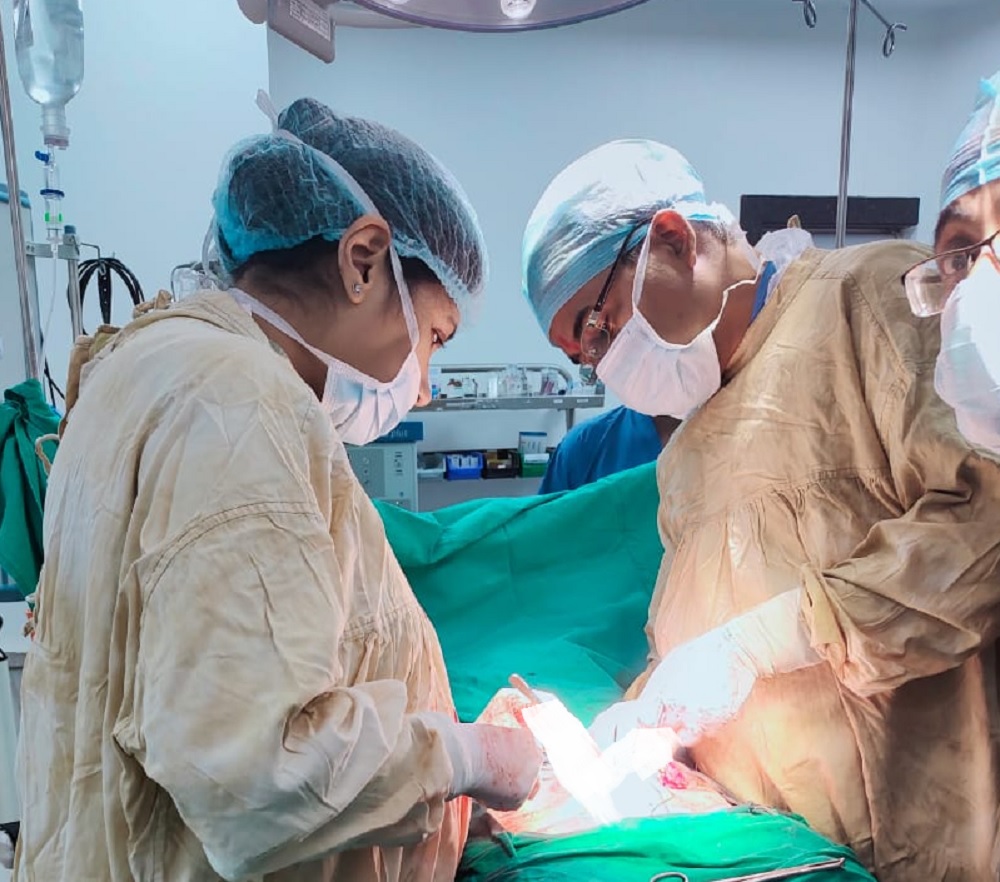
Certain anatomical conditions may affect conception and may sometimes require surgical treatment.
Laparoscopy can be used in selected cases involving conditions such as endometriosis, while hysteroscopy can help evaluate abnormalities within the uterus. Surgical procedures may also be considered for certain tubal problems.
A specialist can determine whether surgery is appropriate after reviewing diagnostic results.
Fertility Preservation Options
Fertility preservation may be relevant for individuals who want to preserve reproductive options for the future.
Depending on the circumstances, fertility preservation can involve:
- Egg freezing
- Sperm freezing
- Embryo cryopreservation
The decision to preserve fertility should be discussed with a qualified medical professional who can explain the potential benefits, limitations, and suitability of available options.
Emotional Support During Infertility Treatment
The fertility journey can involve significant emotional pressure. Couples may experience anxiety, frustration, disappointment, or uncertainty while undergoing investigations and treatment.
Good communication between partners and an open relationship with the healthcare team can make the process easier to navigate. Professional counseling or emotional support can also be considered when required.
The target fertility page specifically recognizes counseling and emotional support as part of comprehensive infertility care.
Choosing Infertility Specialists in Kolkata
Choosing the right fertility professional is an important decision. Couples may consider medical qualifications, experience, diagnostic approach, treatment options, communication, and the overall quality of patient care.
For couples searching for Infertility Specialists in Kolkata, Dr. Anshu Agrawal’s website provides information about fertility evaluation, assisted reproductive technologies, hormonal management, fertility preservation, surgical interventions, and emotional support.
A personalized approach is particularly important because fertility problems can vary considerably from one couple to another.
When Should You Seek Professional Advice?
Couples may consider a fertility consultation if they have concerns about conception, irregular periods, known reproductive conditions, previous pregnancy losses, or other factors that could affect fertility.
A consultation does not automatically mean that advanced fertility treatment will be required. In many situations, the purpose of the first consultation is simply to understand the couple’s reproductive health and determine whether further evaluation is needed.
Conclusion
Infertility treatment is not a one-size-fits-all process. Proper diagnosis is the foundation for selecting an appropriate treatment strategy. Depending on the underlying cause, fertility care may involve lifestyle guidance, medication, hormonal management, IUI, IVF, fertility preservation, or selected surgical procedures.
For couples in Kolkata and Howrah, seeking timely advice from a qualified gynecologist or fertility specialist can provide a clearer understanding of available options and help them make informed decisions about their reproductive health.
 Users Today : 8
 Users Yesterday : 29
 Users Last 30 days : 669
 Users This Year : 6503
 Total Users : 44087
 Views Last 30 days : 1149
 Total views : 102159
 Who's Online : 0